
How to Successfully Create and Take Care of a Low-Tech Planted Aquarium
Introduction: Why Low-Tech Planted Tanks Are Perfect for Beginners
Many new aquarists believe you need pressurized CO₂, expensive lighting, and constant testing to grow healthy plants. The truth? You can build a lush, thriving planted aquarium without CO₂ injection using the low-tech method.
A low-tech planted aquarium relies on natural balance, regular care, and smart plant selection — making it ideal for beginners who want long-term success without daily adjustments.
This guide from The Tank Lady™ walks through how to set up and care for a low-tech freshwater planted aquarium using a real-world example: a 210-gallon system that’s been running successfully for over a year.
Step 1: Choose the Right Plants for a Low-Tech Setup
The foundation of every great planted tank is plant selection. For a low-tech environment, choose hardy species that thrive in moderate lighting and don’t demand injected CO₂.
The Tank Lady™’s 210-gallon setup includes:
Anubias – Slow-growing, loves shaded areas, attaches to wood or rock.
Amazon Sword – A classic background plant that anchors your aquascape.
Cryptocoryne wendtii (brown) – Beautiful midground plant that adapts easily.
Bolbitis – Graceful fern perfect for driftwood.
Vallisneria – Fast-growing grass that fills in space and adds movement.
These species offer a great starting mix for both visual appeal and low maintenance.
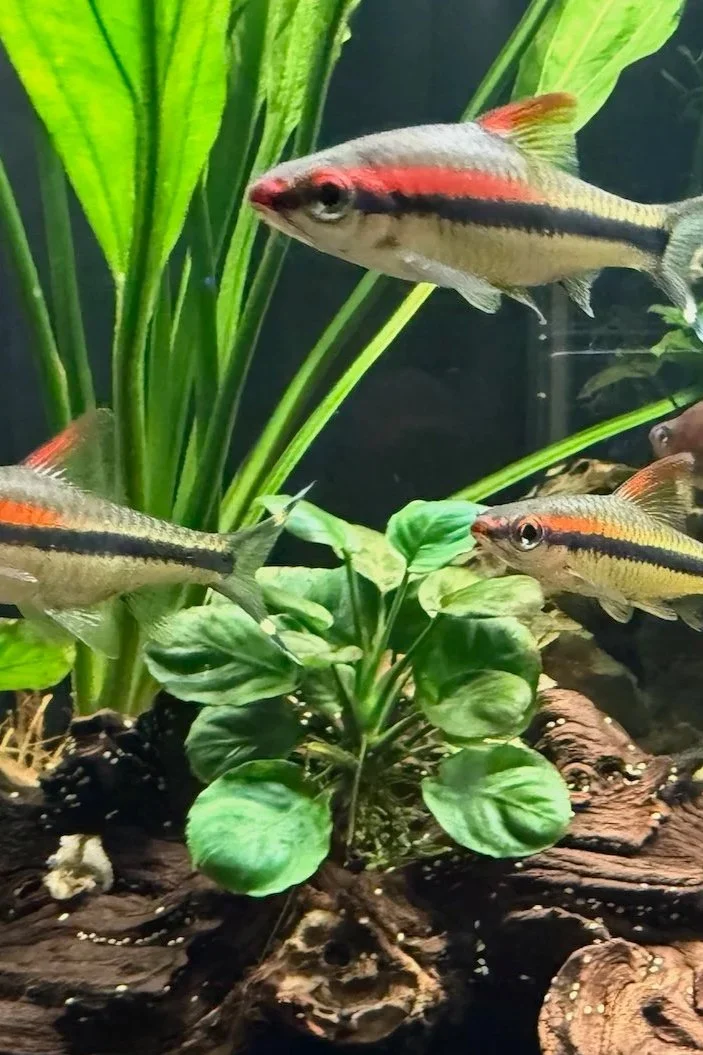
Anubia in a freshwater planted aquarium
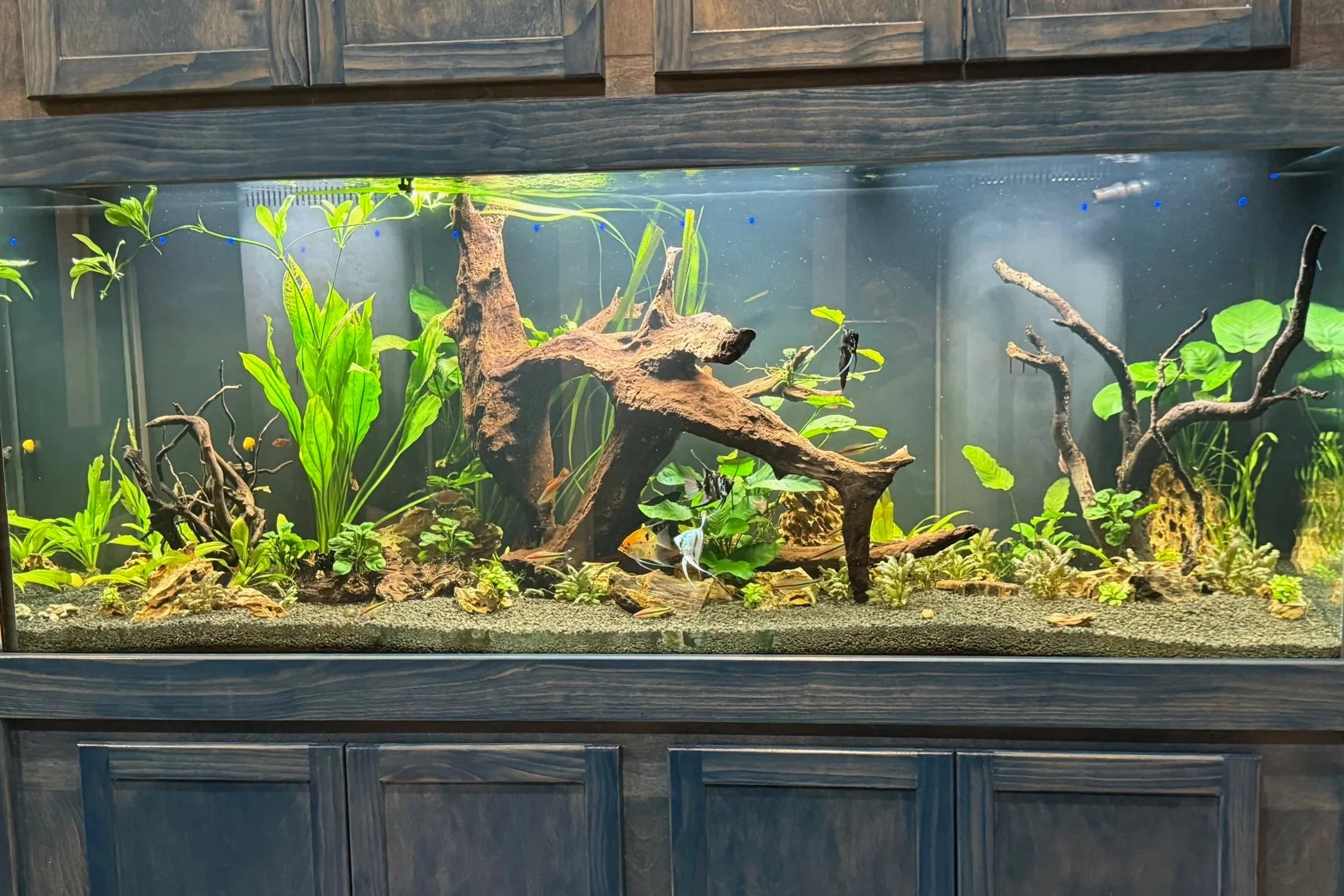
The Tank Lady™ 210G Freshwater Planted Aquarium
Step 2: Use a Nutrient-Rich Substrate
A strong substrate supports plant roots and long-term growth. The Tank Lady™ uses Flourite Black, a porous clay-based substrate rich in iron and trace elements.
It provides nutrients for root feeders like Amazon Swords and Cryptocoryne.
It doesn’t break down over time, so it’s a one-time investment.
No additional gravel or sand cap is needed.
Pro Tip: For heavy root feeders, you can still add root tabs occasionally under large plants.
Step 3: Choose the Right Lighting
Consistent, balanced lighting is critical for plant growth. For her 210g tank, The Tank Lady™ uses two Fluval Plant 3.0 lights, programmed on a timer for consistent intensity and duration.
Lighting guidelines:
Set your lights to run about 8–9 hours per day.
Avoid strong light without enough nutrients — that invites algae.
Use the Fluval smart app to gradually ramp light up and down to mimic sunrise and sunset.
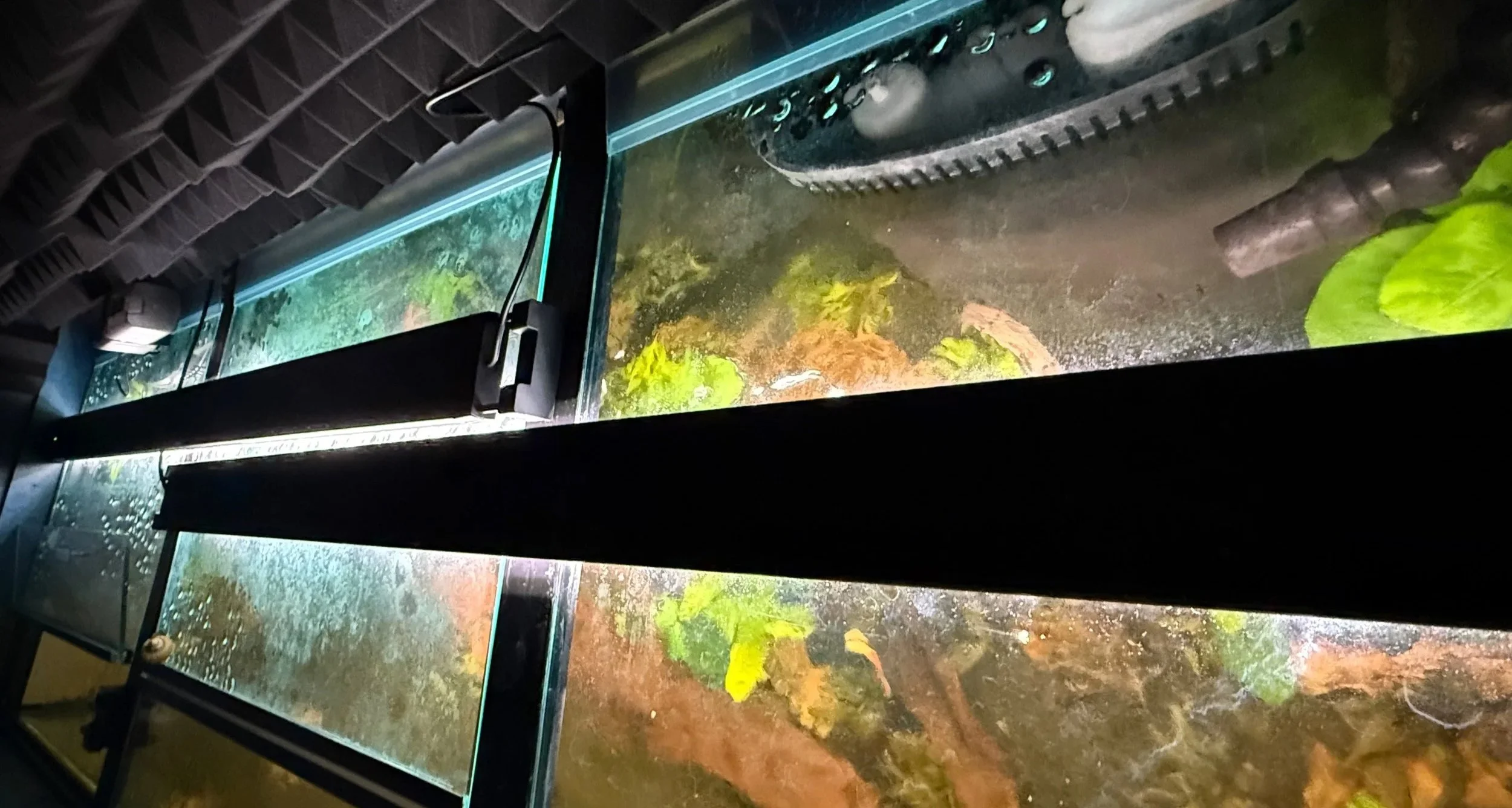
Fluval 3.0 LED for Low-tech planted aquarium
Step 4: Simplify Fertilization
Even in a low-tech setup, plants benefit from a few essential nutrients. The Tank Lady™ uses three Seachem products that work beautifully together:
Flourish Excel – Provides a carbon source alternative to CO₂ injection.
Flourish Comprehensive – Adds trace nutrients like iron and magnesium.
Flourish Potassium – Especially helpful for plants like Anubias that require extra potassium.
Previously, each was added weekly, following the bottle’s dosage instructions.
As the tank matures, The Tank Lady™ has adjusted the routine for improved plant growth:
Flourish Excel is now dosed three times per week at the recommended amount per 10 gallons.
Flourish Comprehensive and Flourish Potassium continue to be added weekly.
This refined schedule provides a steady nutrient supply without upsetting tank balance or encouraging algae.
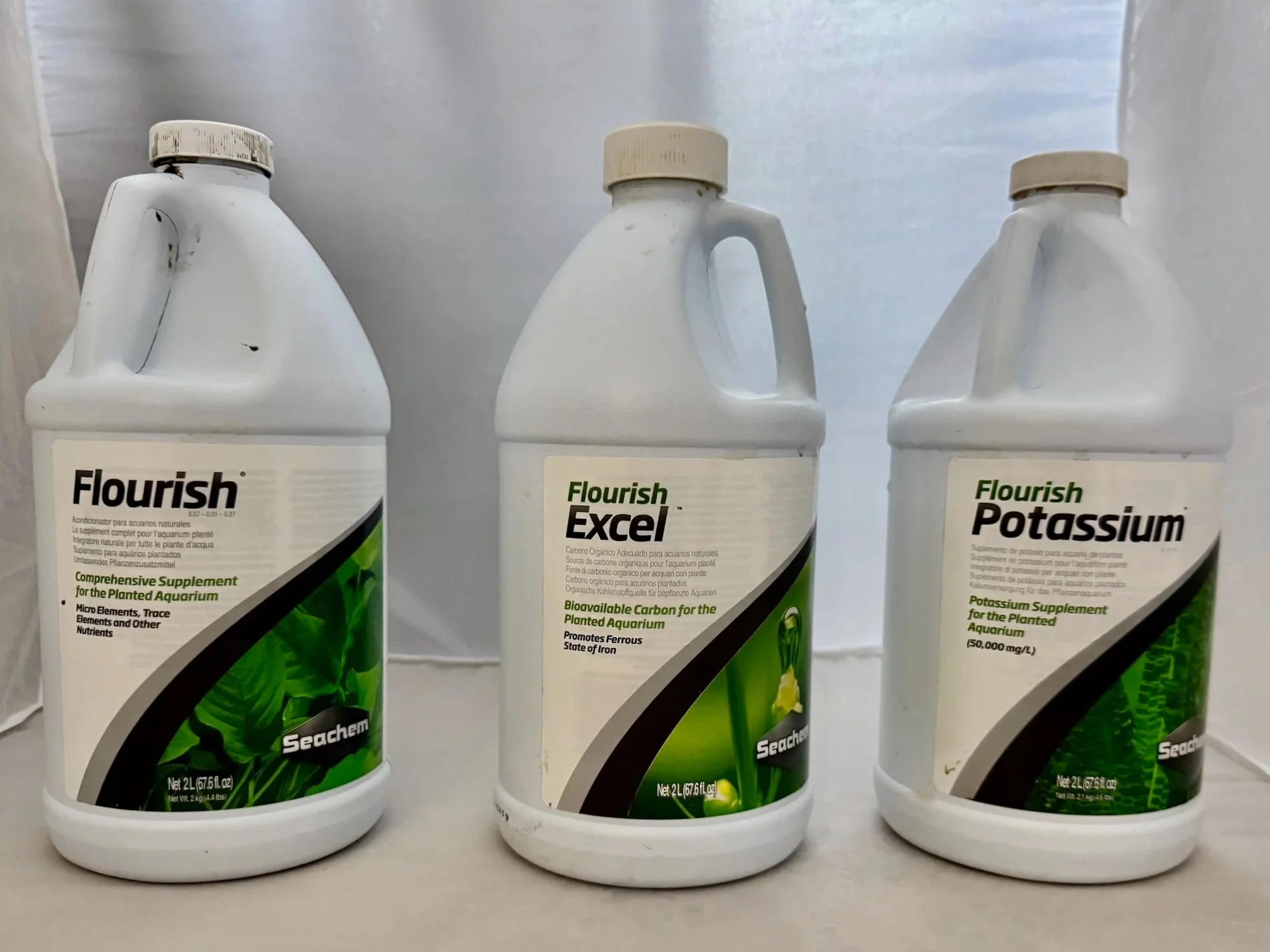
Aquarium fertilizers used in low-tech planted tanks
Step 5: Maintain Good Filtration and Gentle Flow
This 210-gallon low-tech tank runs on a sump filtration system, powered by a Sicce SDC 9.0 return pump.
Setup details:
One main return line provides surface movement without disrupting CO₂ levels from Flourish Excel.
Three overflow lines into the sump maintain excellent circulation.
Filter socks are now cleaned twice per week (previously once per week).
Sump filters are cleaned every other month.
This schedule keeps water flow efficient, removes detritus before it breaks down, and ensures long-term stability in this large, heavily planted aquarium.
Step 6: Keep a Consistent Maintenance Routine
Consistency is key to long-term success. Here’s The Tank Lady™’s simple monthly routine:
Water changes: Once per month, replacing about 25 gallons (~12% of the total volume).
Glass cleaning: During water changes, clean the glass to remove algae film.
Plant trimming: Trim and replant cuttings to maintain healthy growth.
Sump maintenance: Clean filter socks twice weekly; rinse sump filters every two months.
A stable, lightly stocked tank with healthy plants often requires less frequent water changes, as the plants help absorb waste and stabilize water chemistry.
Step 7: Test Water Regularly
Even in stable systems, weekly testing helps you catch issues early.
The Tank Lady™ tests:
pH: ~7.4
Ammonia: 0 ppm
Nitrite: 0 ppm
Nitrate: 5–10 ppm
Temperature: consistently maintained at 80°F
These values indicate a balanced nitrogen cycle and excellent conditions for both fish and plants.
👉 [Link to: Aquarium Water Testing for Beginners]
Step 8: Stock Thoughtfully
A peaceful, plant-safe fish community ensures harmony. The 210-gallon tank includes:
5 Angelfish
12 Torpedo Barbs
8 Bleeding Hearts
1 Panda Garra
3 Clown Loaches
4 Swordtails
1 Algae Eater
These species coexist peacefully and don’t damage plants — a key success factor for any low-tech system.
[Insert photo: angelfish swimming through plants — alt text: angelfish in freshwater planted aquarium]
Step 9: Control Algae Naturally
Instead of chasing chemical solutions, The Tank Lady™ relies on balanced routines:
Maintain consistent light duration.
Avoid overfeeding fish.
Clean glass and prune plants during water changes.
Encourage plant growth — healthy plants outcompete algae for nutrients.
A well-balanced tank rarely needs algae removers.
Step 10: Be Patient and Go Slow
Perhaps the most important lesson: patience is everything.
Low-tech tanks mature slowly — but that’s part of their beauty.
The Tank Lady™’s three golden rules for beginners:
Go slow — let your tank cycle and plants establish naturally.
Plant early — the more plants from the start, the faster balance forms.
Choose compatible fish — avoid species that nibble on plants or create chaos.
👉 [Link to: Beginner’s Guide to Cycling a New Aquarium]
Common Mistakes to Avoid
Overlighting or running lights more than 10 hours/day.
Overfeeding fish, which raises nitrates and fuels algae.
Constantly changing fertilizers or dosing schedules.
Neglecting basic water tests.
Summary: Your Low-Tech Success Checklist
✅ Choose hardy plants suited for low-tech tanks.
✅ Use a nutrient-rich substrate like Flourite Black.
✅ Run reliable LED lighting 8–9 hours daily.
✅ Dose Flourish Excel three times per week; Flourish and Potassium weekly.
✅ Maintain stable filtration and gentle flow.
✅ Clean filter socks twice weekly and sump filters every other month.
✅ Do monthly water changes and weekly glass cleaning.
✅ Test water weekly for pH, nitrate, and ammonia.
✅ Maintain temperature around 80°F.
✅ Add only peaceful, plant-safe fish.
✅ Be patient — balance takes time!
The Tank Lady™ Tip
A low-tech planted aquarium thrives on balance, not perfection.
Focus on stable lighting, moderate feeding, and consistent care — and let nature handle the rest.
With patience and a few weekly habits, your tank will become a living, growing piece of art.
About The Tank Lady™
The Tank Lady™ helps aquarium enthusiasts create beautiful, thriving tanks with practical, real-world guidance. Follow along for more tips on freshwater, saltwater, and planted aquarium success.